What is breast reduction?
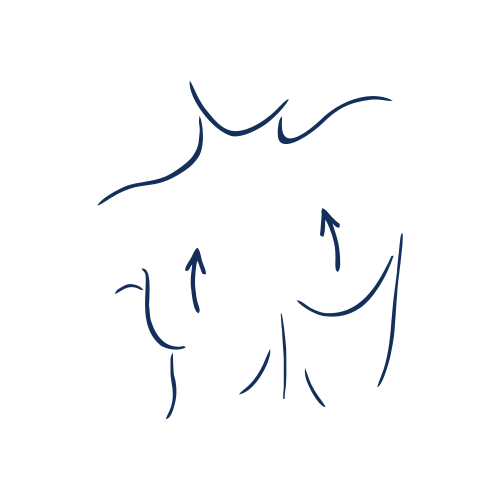
Breast reduction is an operation which removes excess skin, fat and breast tissue in order to reduce the weight and size of the breasts. The aim is breasts that are lighter, more symmetrical, firmer and in balance with the rest of your body.
Beyond the aesthetic improvement, the operation often brings:
- relief from back, neck and shoulder pain.
- better posture.
- easier movement.
- an end to irritation beneath the breasts.
- greater confidence and personal comfort.
It is an operation that can change everyday life more than people often expect.
Is it right for me?
Breast reduction is for people who feel that the size of their breasts affects their everyday life, comfort or quality of life.
- The weight of your breasts causes back, neck or shoulder pain.
- You often get irritation or chafing beneath your breasts.
- Your breasts make exercise difficult or restrict your movement.
- Clothes don’t fit properly or it is hard to find your size.
- An asymmetry causes discomfort or affects your confidence.
- The size of your breasts affects your posture.
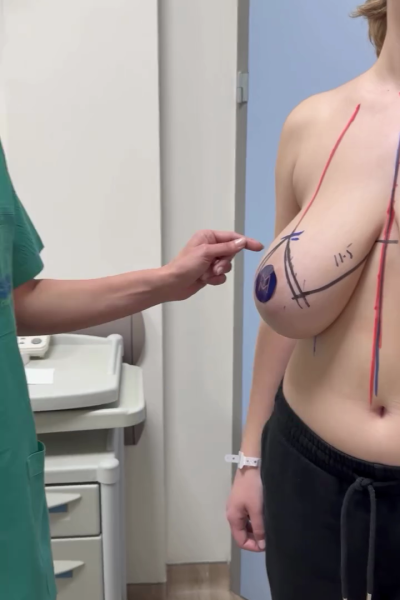
Breast reduction: the process
Consultation
We discuss your needs, your goals and the factors that determine the best approach for you.
Planning
We measure, plan and choose the technique that suits your body and natural anatomy.
Procedure
We remove the excess tissue, shape the new breast, and carefully reposition the nipples.
Recovery
We give you instructions on your support bra and scar care, to help you heal smoothly.
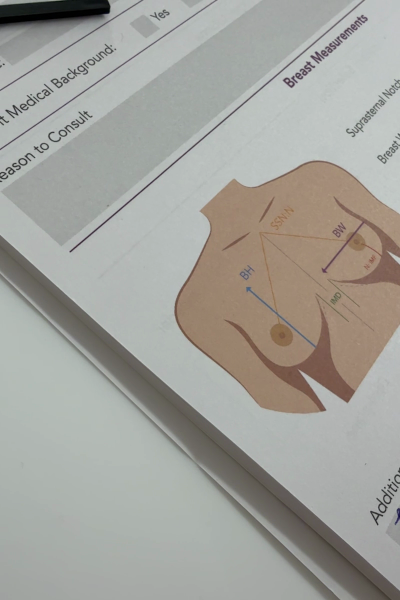
How is breast reduction carried out?
The operation is carried out under general anaesthetic and usually takes 3–4 hours, depending on your anatomy and the technique chosen.
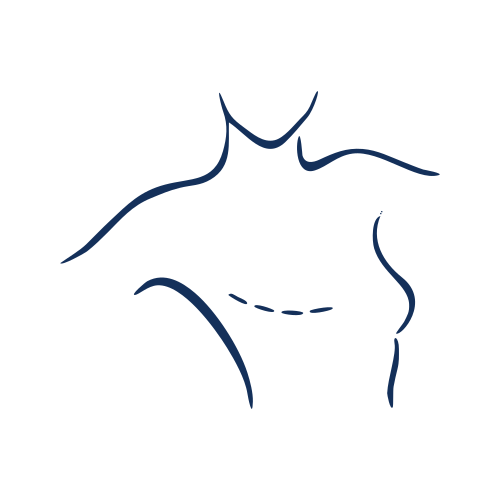
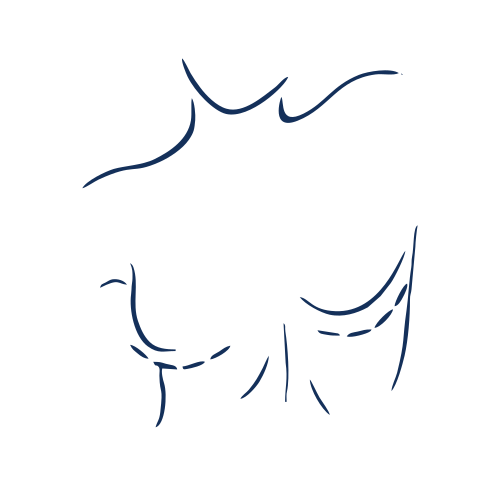
Incisions are made around the areola and downwards, through which the excess tissue is removed. The breast is reshaped to be smaller and lighter, and the nipple is moved to a natural position.
The precise technique chosen is selected only after a detailed pre-operative assessment, and is fully tailored to you.
Breast reduction techniques
“Anchor” method (inverted T / Wise pattern)
Used for very large breasts (significant hypertrophy or gigantomastia). The incisions form an “anchor” shape, allowing more skin and tissue to be removed. Although there are more incisions, the result is firm, stable and well balanced.
Vertical breast reduction
A mainly vertical incision is made beneath the nipple, ending in the crease under the breast. It suits moderately large breasts and means fewer scars and a quicker recovery.
Breast reduction with liposuction
Suitable for women with less sagging and good skin elasticity. Fat is removed through very small incisions for a lighter, more symmetrical breast. It does not change the position of the nipple or lift the breast, but it gives a very natural-looking result with minimal scarring.
More about breast reduction
BENEFITS
- Can ease longstanding back, neck and shoulder pain.
- Improves shape and firmness.
- Lifts the nipples to a more natural position.
- Restores balance to the upper body.
- Relieves dermatitis and irritation in the crease beneath the breast.
- Makes exercise more comfortable and gives you more freedom of movement.
- Improves posture and the body’s functional balance.
AT A GLANCE
Procedure time
3–4 hours
Anaesthetic
General
How long results last
Long-lasting
Recovery
2–3 weeks
Hospital stay
1 night
Extras
Compression garment for 1 month
Cost
From €150
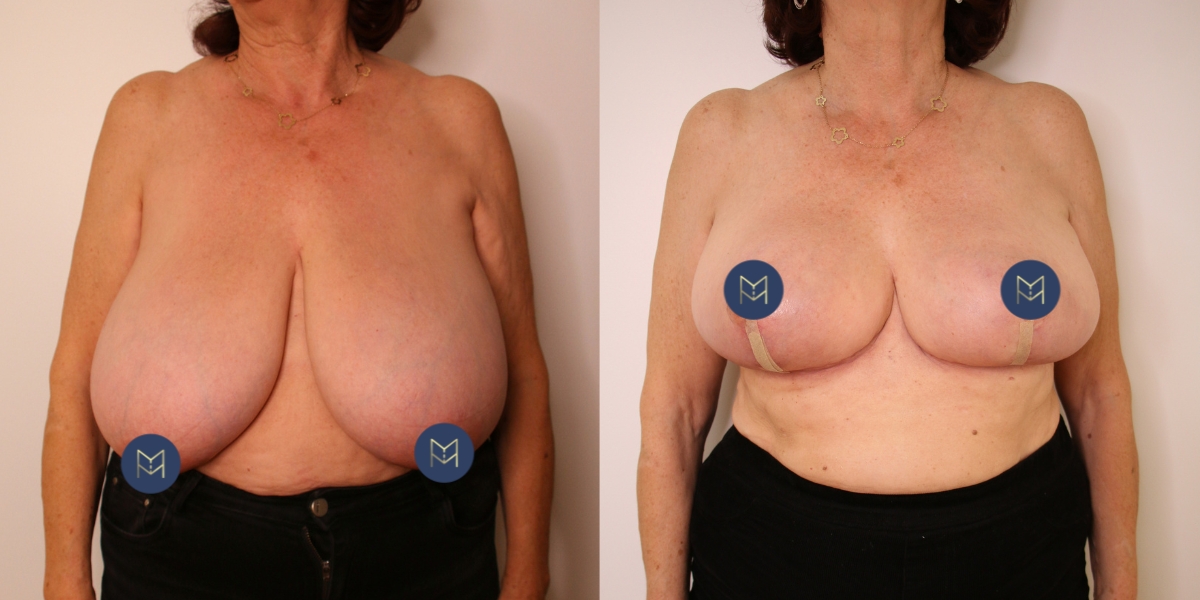
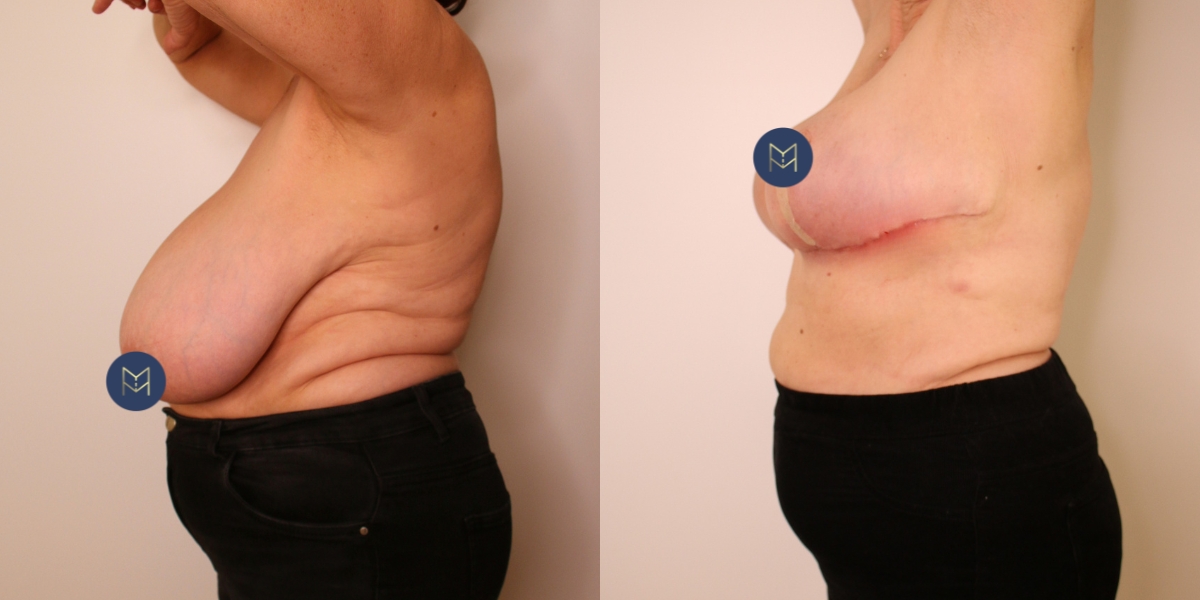
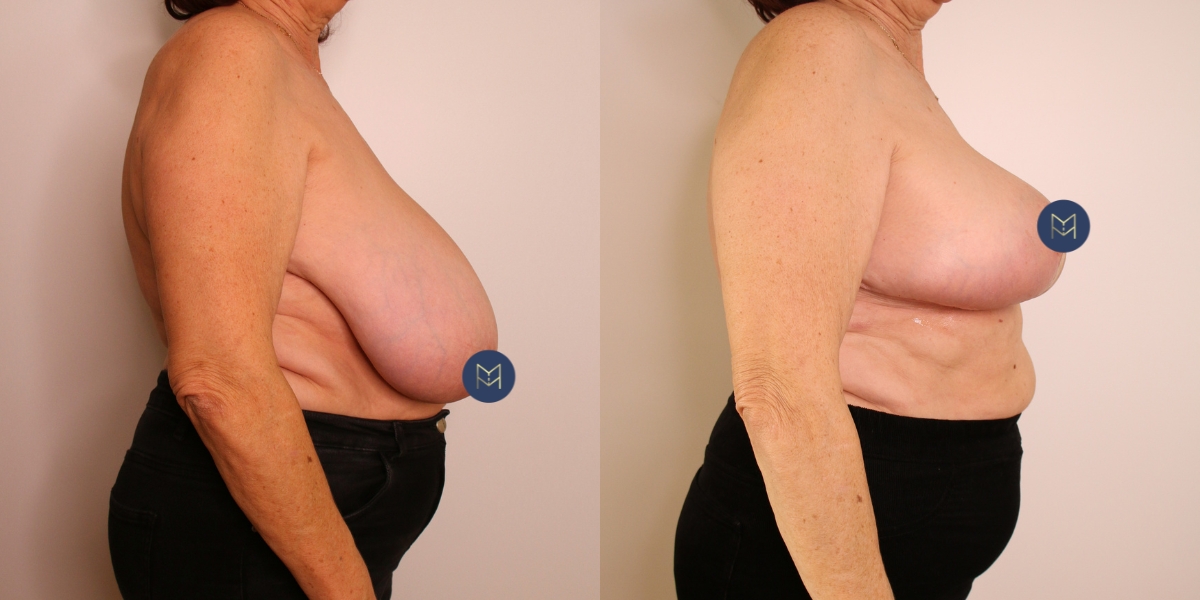
Before & After
Breast reduction & lift
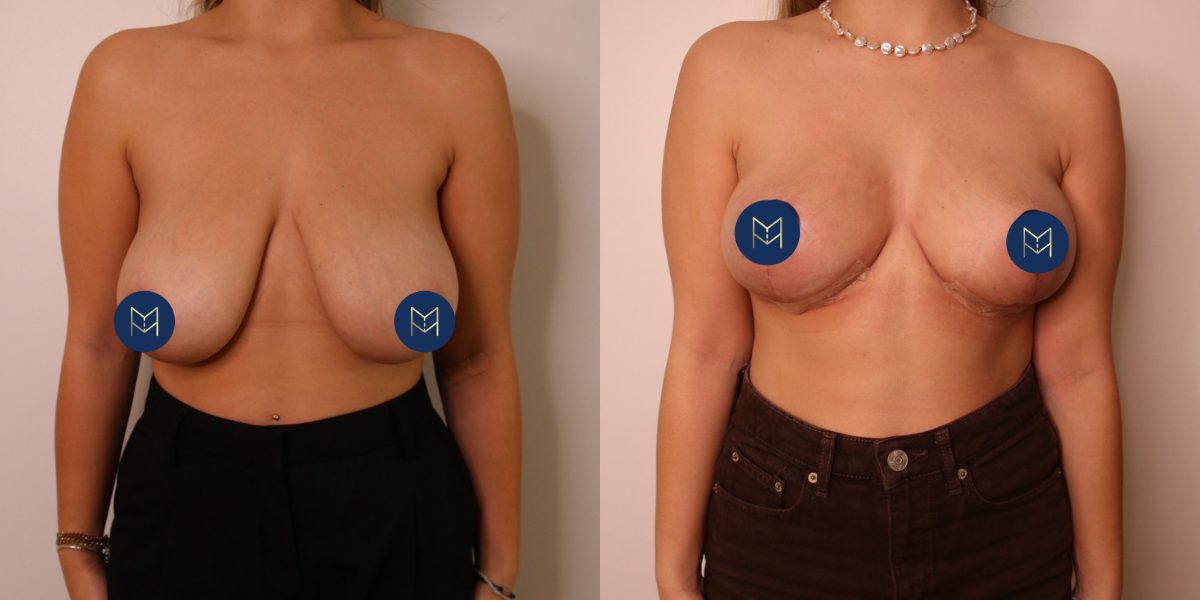
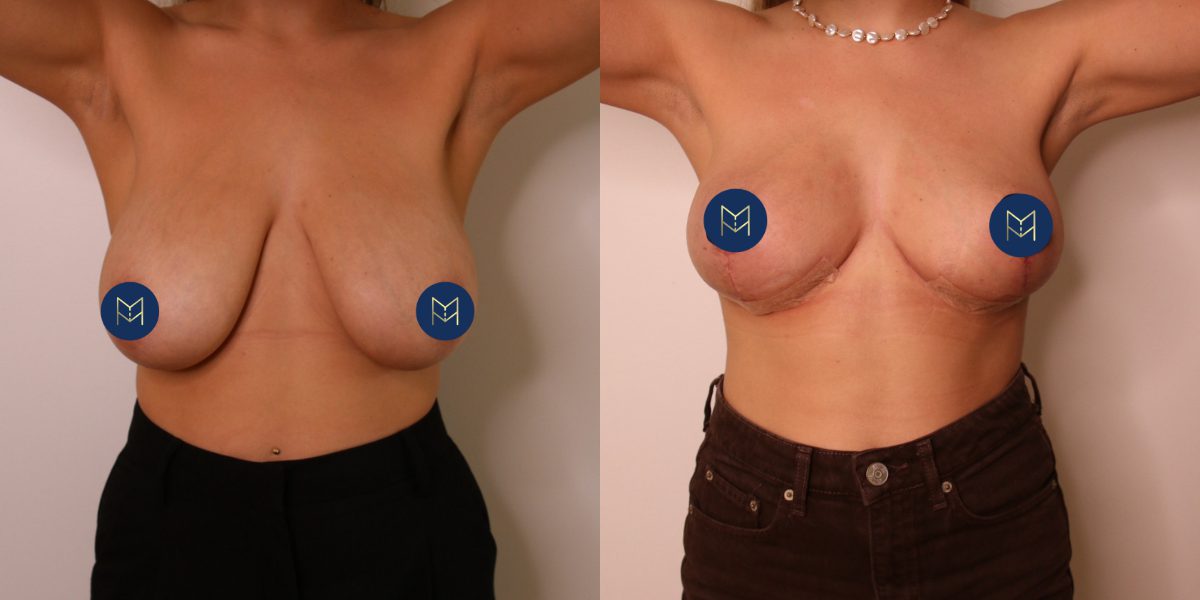
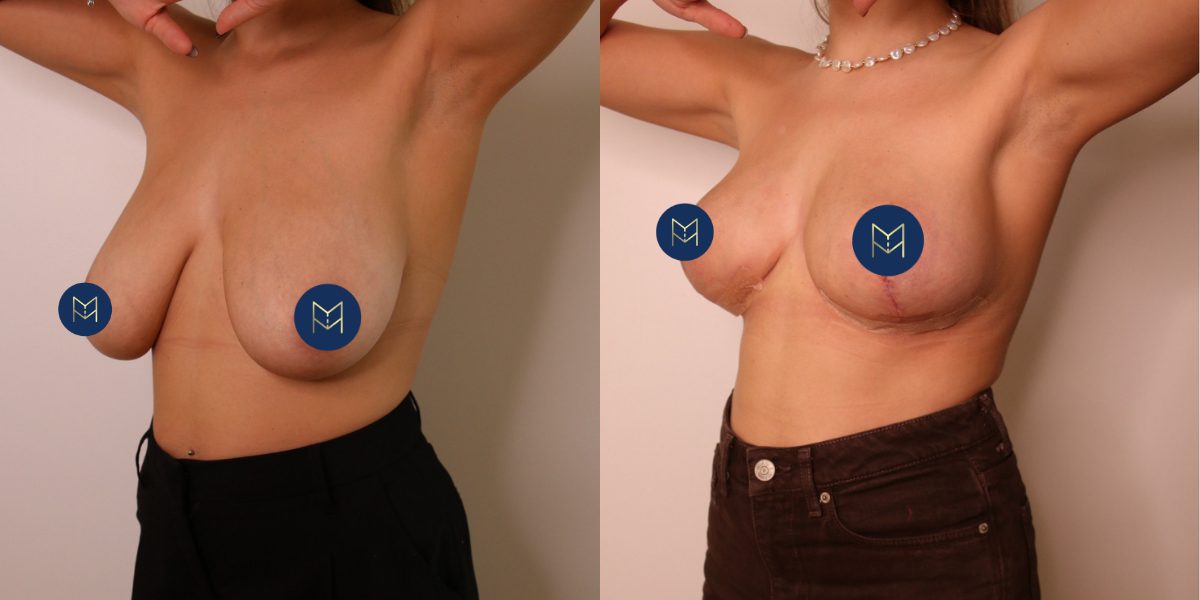
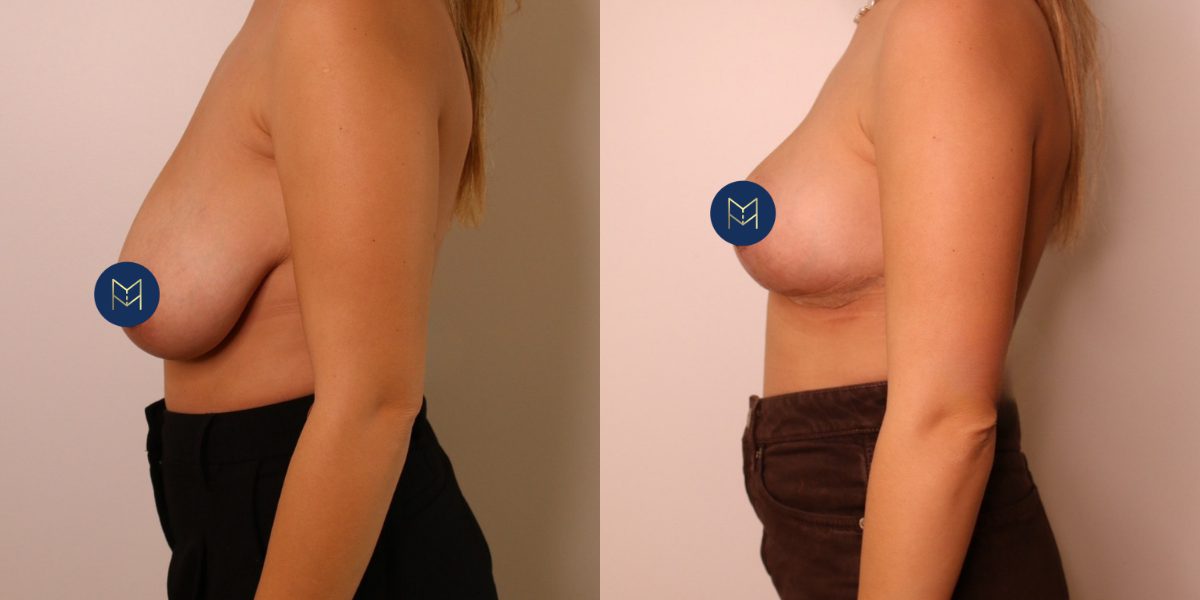
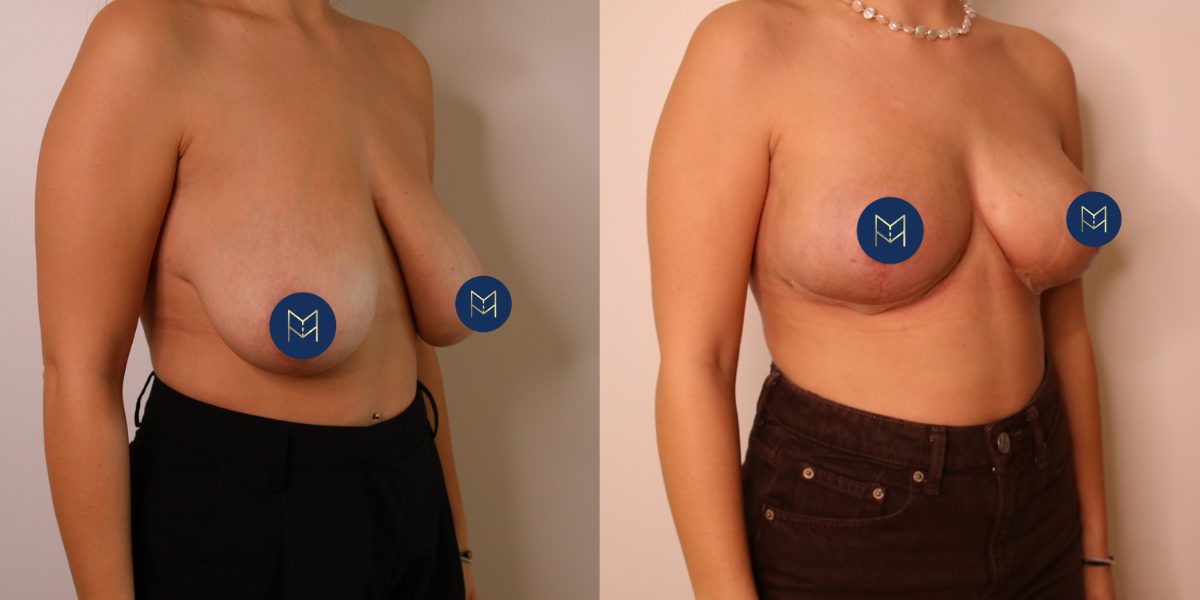
Breast reduction & lift
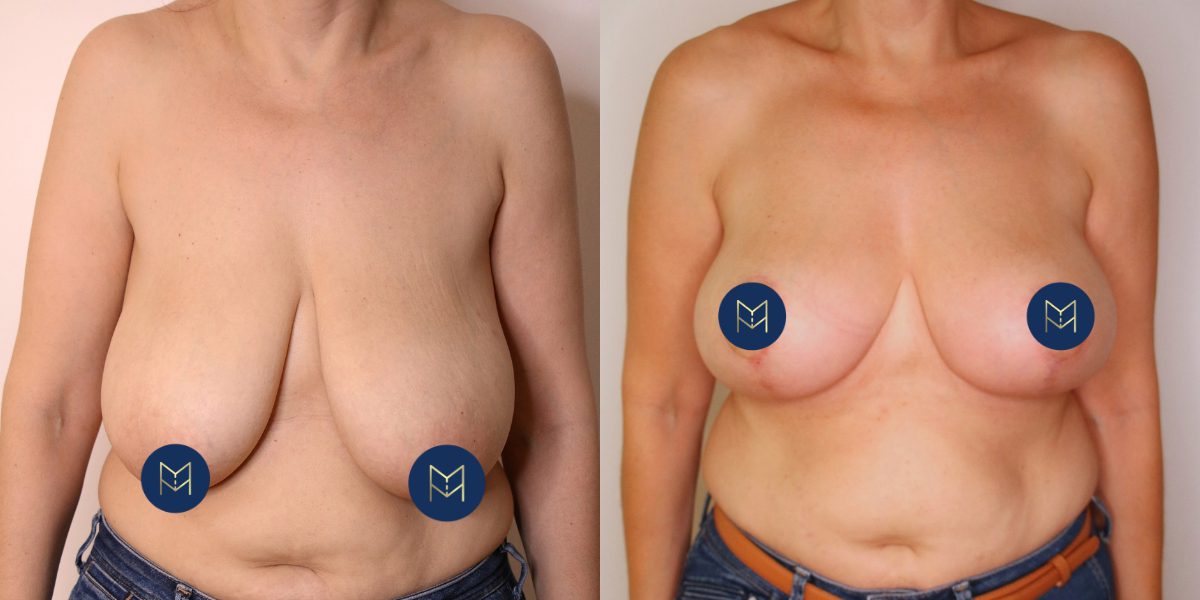
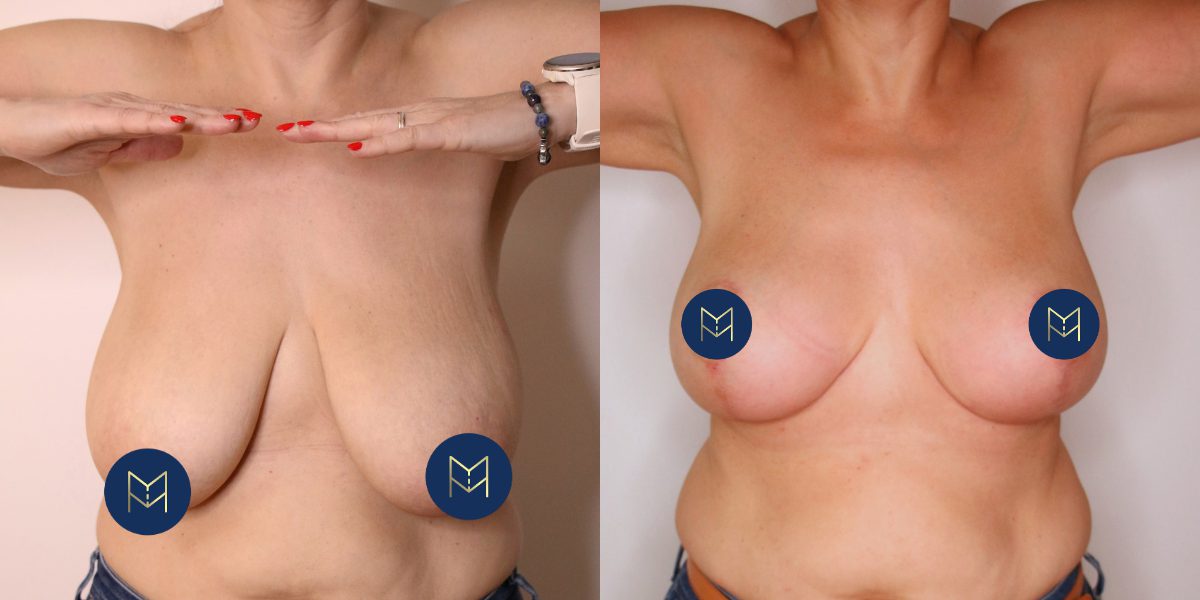
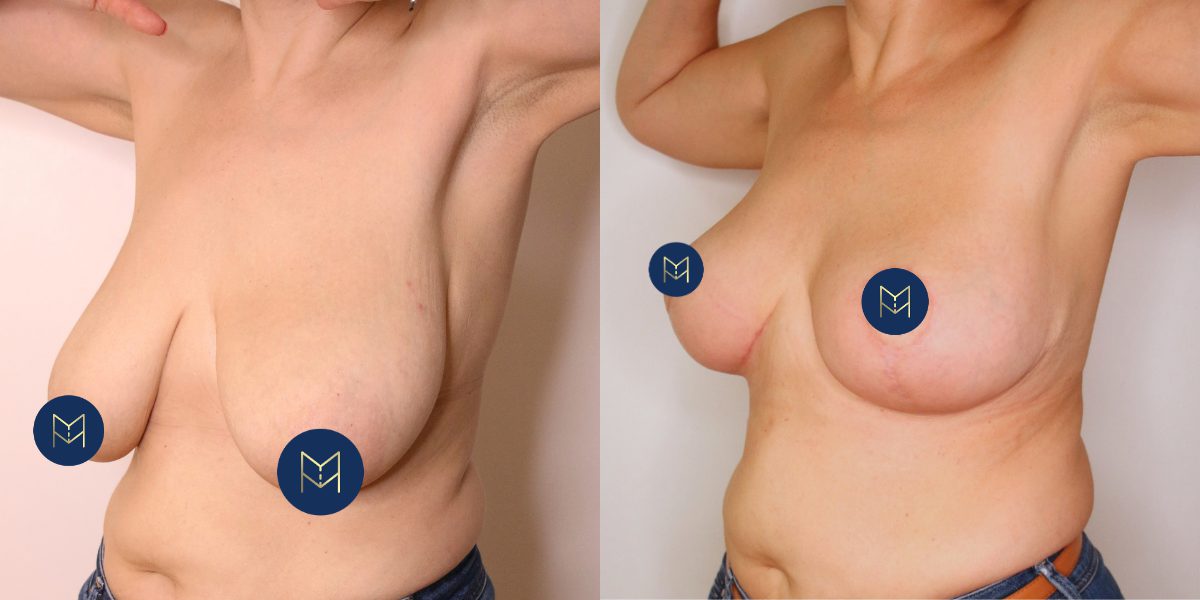
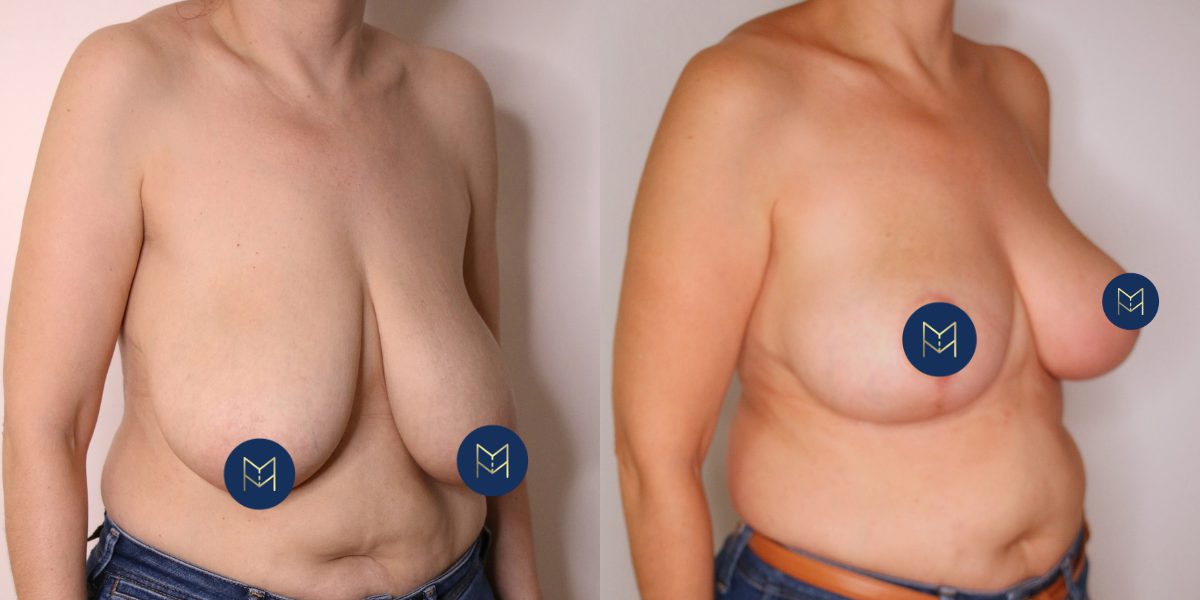
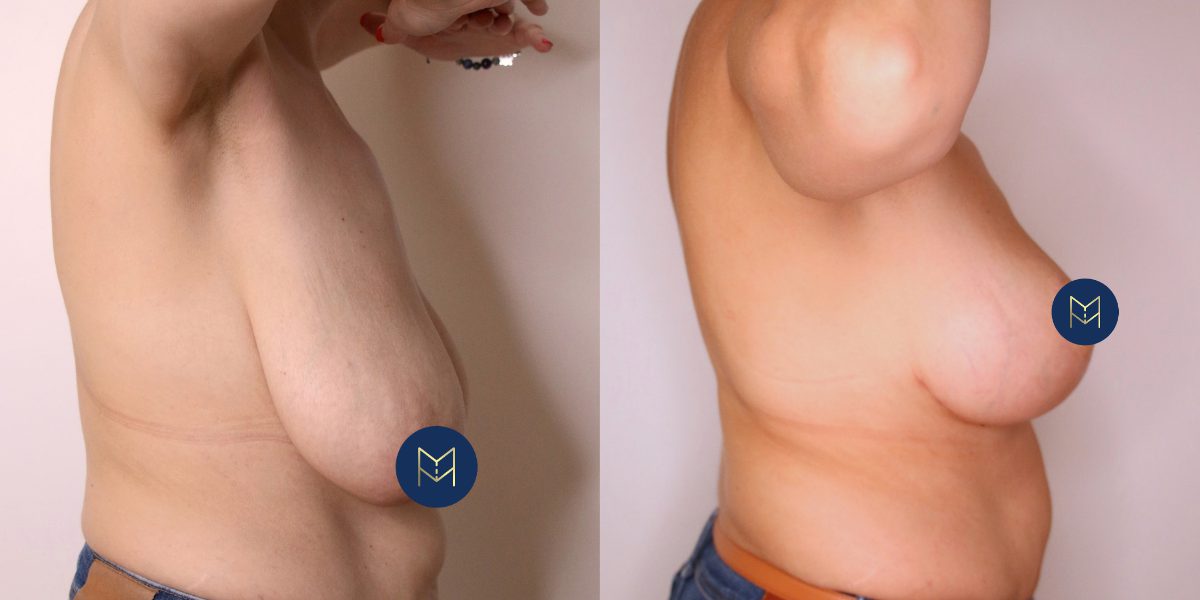
Breast reduction & lift
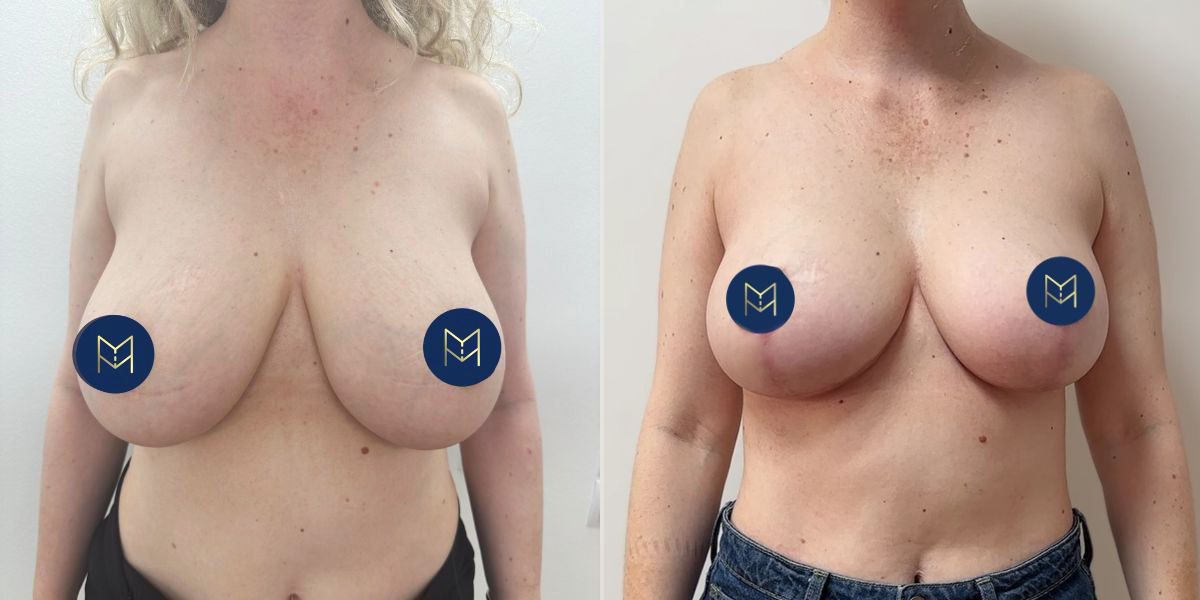
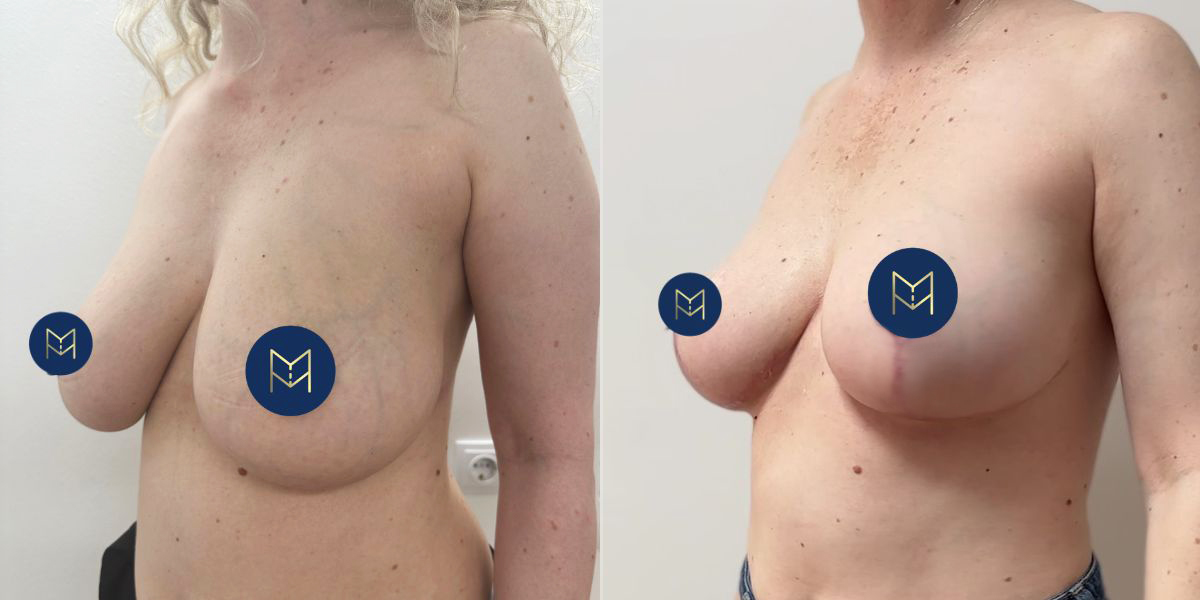
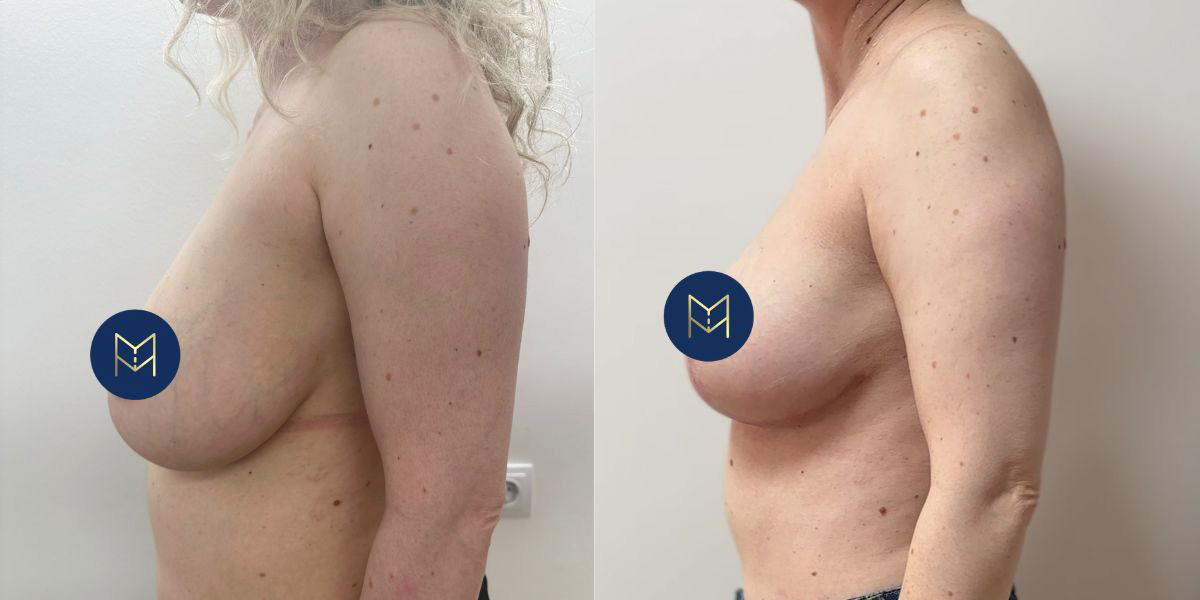
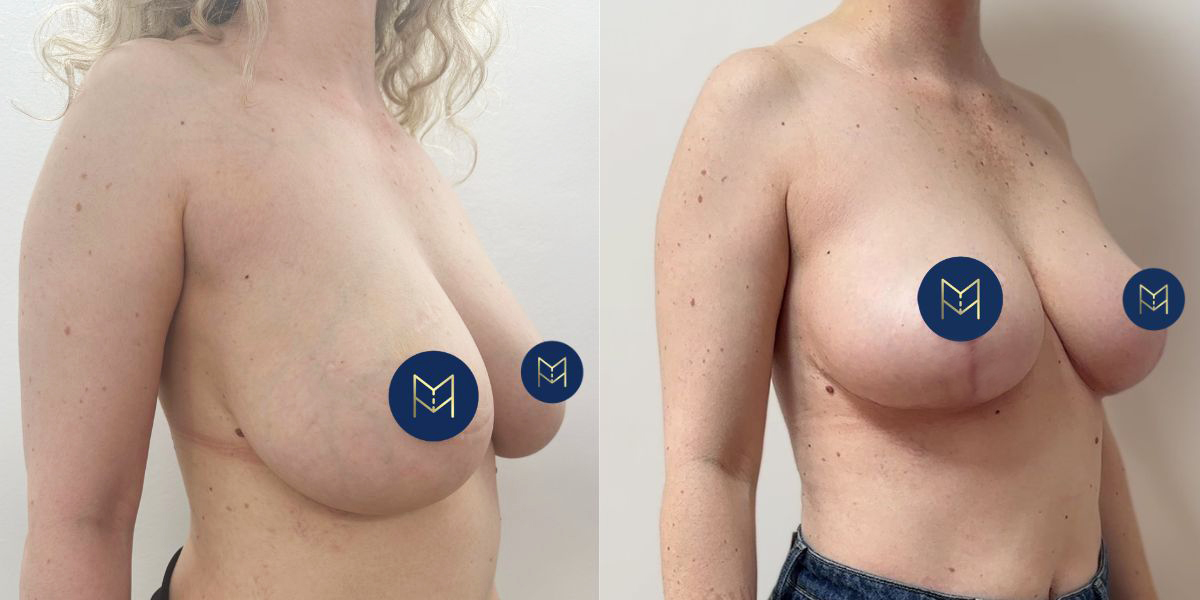
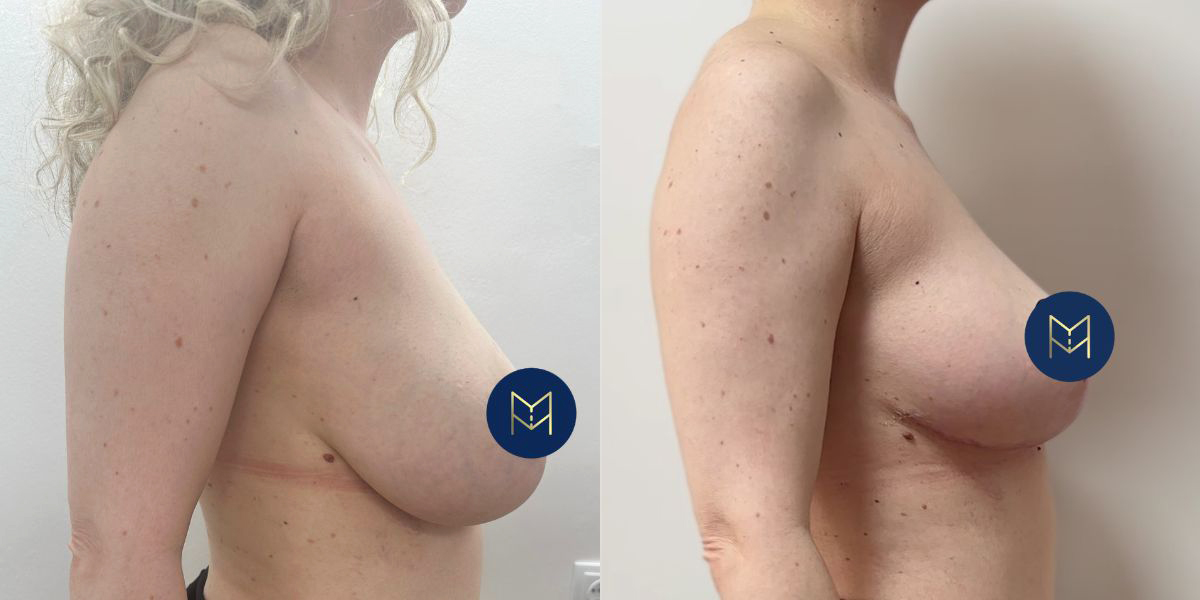
Breast reduction & lift
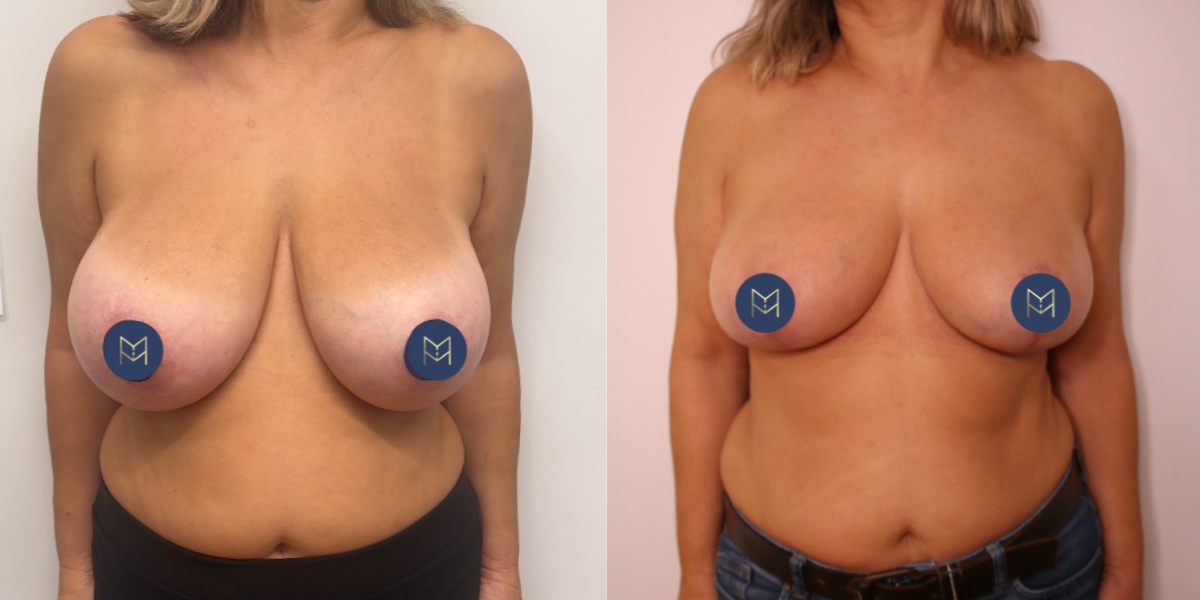
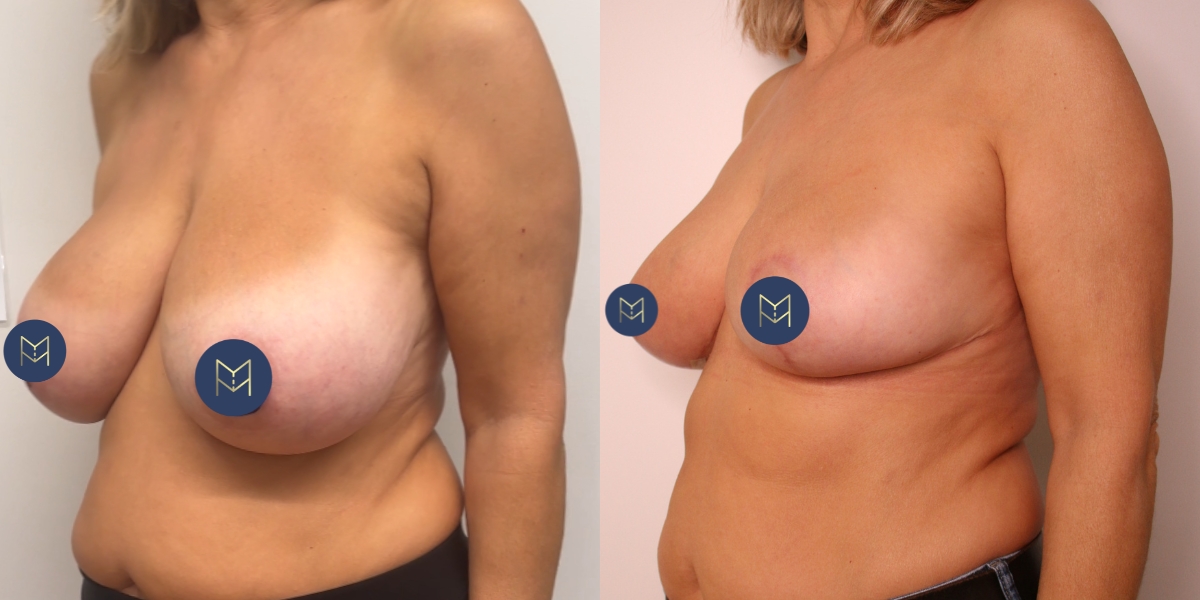
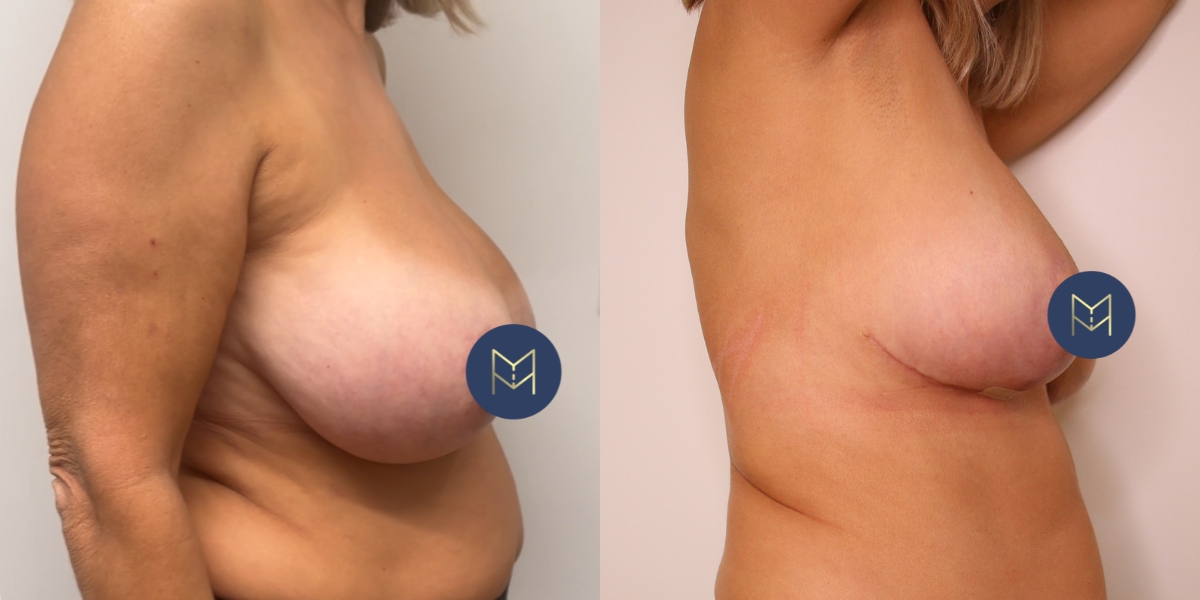
Breast reduction & lift (gigantomastia)
Frequently asked questions
Who is suitable for breast reduction?
The operation is suitable for women over 18 whose breasts are out of proportion to their body and which are causing physical discomfort, pain or in other ways limiting their daily life. It is also suitable for women who feel emotionally burdened by the size of their breasts.
How is the right technique chosen?
The technique is decided during your pre-operative assessment and depends on:
- the size and shape you would like.
- how much the breasts sag.
- the position and shape of the nipples.
- the elasticity of your skin.
- the overall anatomy and symmetry of your chest.
The choice is tailored to you, so that the result looks natural and balanced.
Can I have breast reduction during pregnancy or while breastfeeding?
No, it is not recommended as it may affect your ability to produce milk and the safety of the operation.
The right time is at least 9 months after you stop breastfeeding, once the breasts have settled.
What are the possible complications?
Breast reduction is generally a safe operation when carried out by a qualified plastic surgeon. Possible complications, such as bleeding, infection or mild asymmetry, are uncommon and can be treated.
Swelling gradually goes down from the first few days.
Where are the incisions made? Are they large?
The incisions are usually made around the nipple, vertically downwards and in the crease beneath the breast. Their length depends on how much tissue needs to be removed. As they heal, they fade considerably.
Will I have permanent scars?
Yes, the scars are permanent, as with any surgical incision. However, with the right technique, good healing and sun protection, they usually become fine and much less noticeable over time.
What should I avoid after the operation?
For 1–2 weeks you should avoid strenuous exercise and heavy lifting. You will wear a special support bra every day to help healing. Your incisions will be checked at your follow-up appointments to make sure you are recovering well.
Restoring balance

Breast reduction is not just an operation.
It is a decision that can change the way a woman stands, moves and feels about herself.
For me, that is the essence of breast reduction: helping a woman find her most comfortable, genuine self again, without limitations or pain.