What is upper eyelid surgery?
Upper blepharoplasty (upper eyelid surgery) treats loose and excess skin on the upper eyelid. Through a very fine incision in the natural crease of the eyelid, the excess skin – and, where needed, a small amount of fat and muscle – is removed, so that the eyelid is properly supported again.
When the sagging is significant, it can even affect your field of vision. In this case the operation is also functional, as it can improve the patient’s vision. Stitches are removed after 5–7 days, healing is usually quick, and the scar sits in the natural skin crease, where it is hard to see.
What is lower eyelid surgery?
Lower blepharoplasty treats ‘bags’, loose skin and shadows under the eyes. There are two techniques:
- an internal incision (transconjunctival), when there is no excess skin and we simply want to remove or reposition fat.
- an external incision, discreetly just below the lashes, when there is loose skin that needs removing.
In younger people, an internal incision with no visible scar is usually enough. In more mature skin, the external incision is hard to see and heals smoothly. The fat that is removed can be repositioned in the area to ‘fill’ dark circles or other areas that may have lost volume, to give a more even and natural-looking result.
Is it right for me?
Eyelid surgery may suit you if your eyes look tired, heavy or puffy, whatever your age.
- Loose upper eyelids and 'heavy' eyes.
- Bags and shadows under the eyes.
- Difficulty applying make-up because of excess skin.
- A genetic tendency to puffiness or laxity.
- Feeling that you look tired when you’re not.
- Your field of vision is affected by the upper eyelid.
Eyelid surgery: the process
Consultation
We plan the operation around the shape of your eyelids, your skin quality, the degree of sagging, and your natural expression.
Preparation
On the day, local anaesthetic with light sedation or, where needed, general anaesthetic is used, so you won’t feel pain during the procedure.
Procedure
Excess skin and fat are carefully removed from the upper and/or lower eyelids. The incisions are placed in natural creases so that they are hard to see once healed.
Recovery
After the operation you are given detailed aftercare instructions. Mild swelling and bruising settle gradually, and your eyes look more rested and brighter.
Combining upper & lower eyelid surgery
In many cases, loose upper eyelids come with ‘bags’ or shadows below. When only one area is corrected, the result can look unfinished because the eye area works as a single aesthetic unit.
That is why combined surgery on both eyelids is recommended for many patients. The procedure remains short, is carried out under local anaesthetic, and doesn’t significantly increase recovery time because both areas heal at the same time.
Combining them offers:
- a brighter, more “open” look.
- correction of laxity above and puffiness below.
- better eyelid support.
- a more even, youthful-looking result.
Balance is what matters. We approach the eyelid as a whole: the skin, muscles, fat and supporting structure. Many patients say that after combined surgery they started to look the way they feel. The shape of the eye doesn’t change; your eyes simply look rested, symmetrical and more lively.
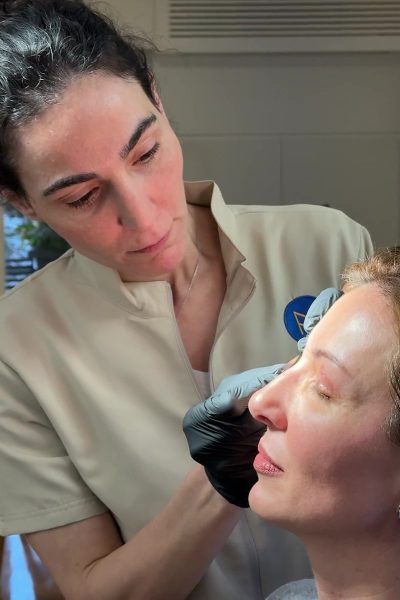
Eyelid surgery with Fractional CO₂ Laser
The CO₂ laser technique is a modern alternative to the traditional scalpel. With tiny, controlled incisions in the skin, excess skin is removed and at the same time, collagen production is stimulated. This means the procedure doesn’t just correct sagging, but also resurfaces the skin.
The laser helps to:
- tighten the skin.
- smooth wrinkles and crow’s feet.
- reduce swelling and bruising.
- support healing.
The result is smoother, younger-looking skin, with small incisions that are hard to see, and with a short recovery.
More about eyelid surgery
BENEFITS
- Carried out under local anaesthetic, with no overnight stay.
- A short procedure with a quick recovery.
- Small incisions that are hard to see.
- Can treat the upper, lower or both eyelids in the same operation.
- Gives a long-lasting result.
- Your eyes look more open, while your features stay the same.
AT A GLANCE
Procedure time
1 hour
Anaesthetic
Local
How long results last
Long-lasting
Recovery
5–7 days
Hospital stay
None
Treatment areas
Upper and/or lower eyelids
Cost
From €150
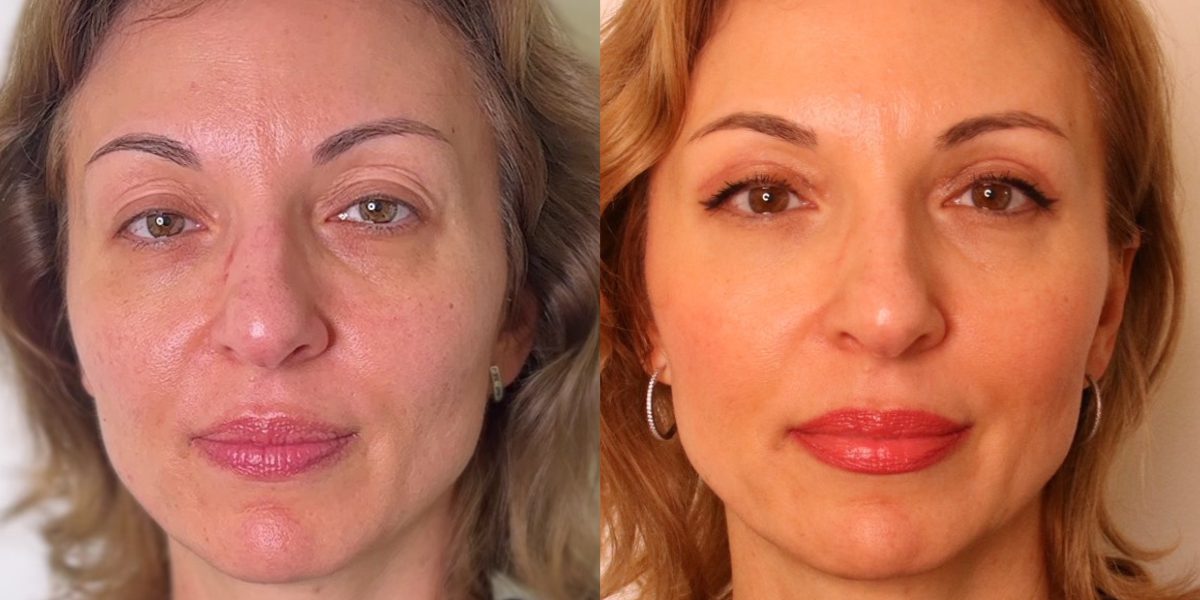
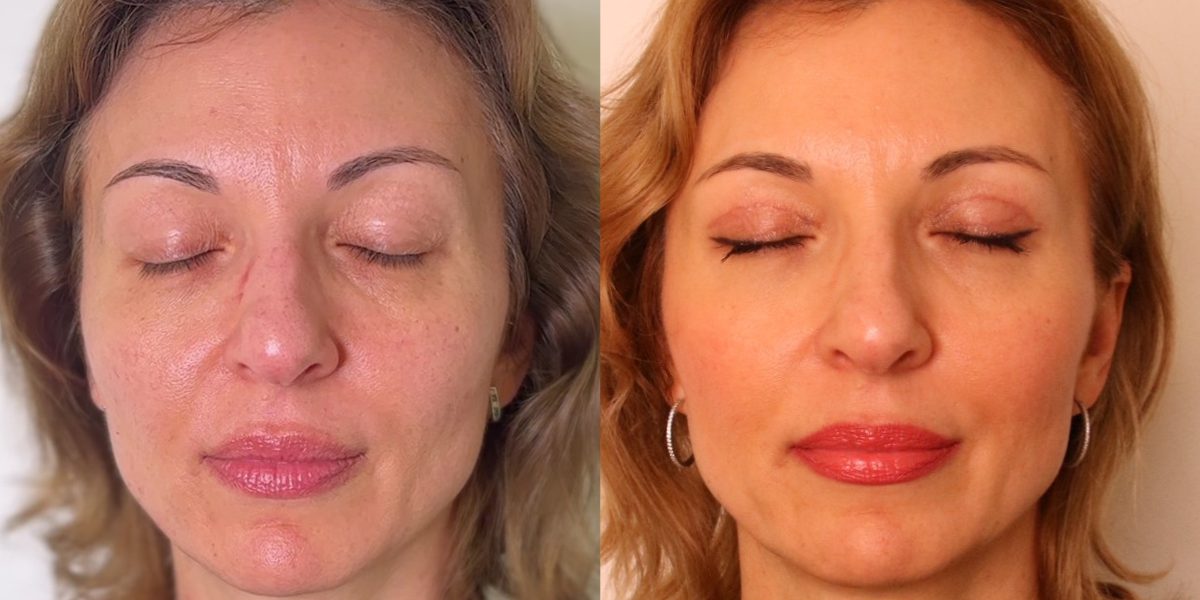
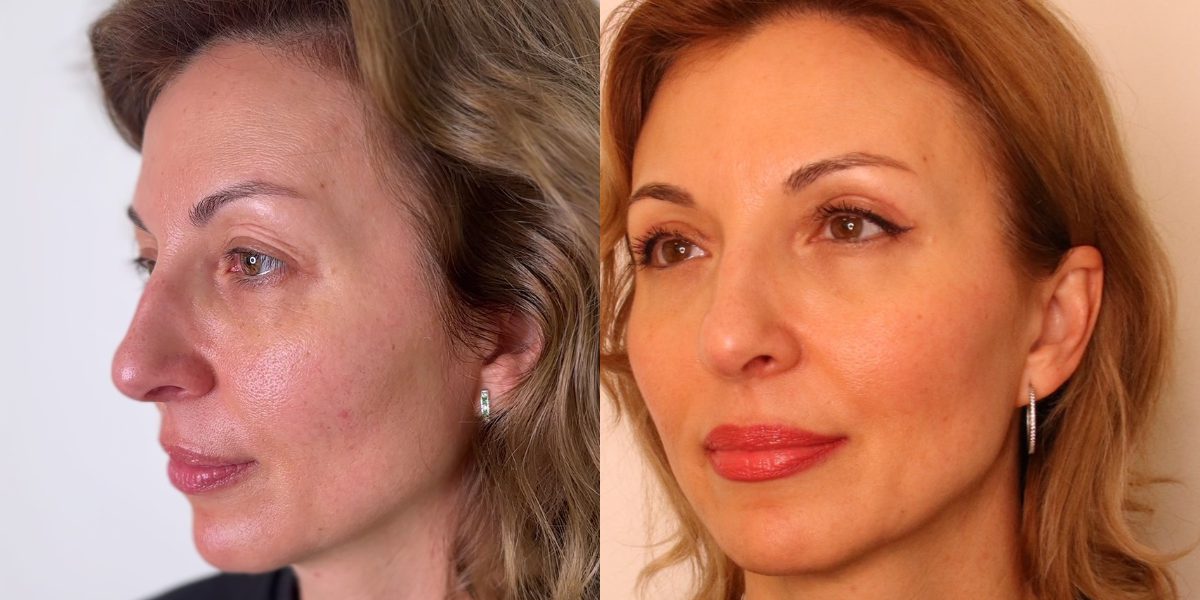
Before & After
Upper eyelid surgery
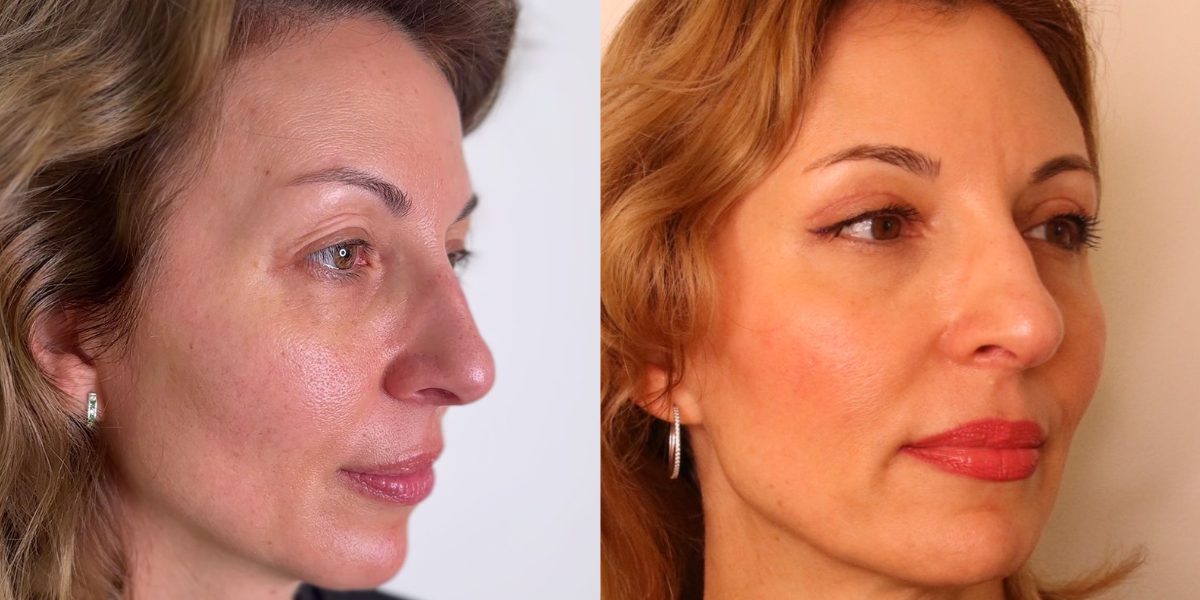
Upper eyelid surgery
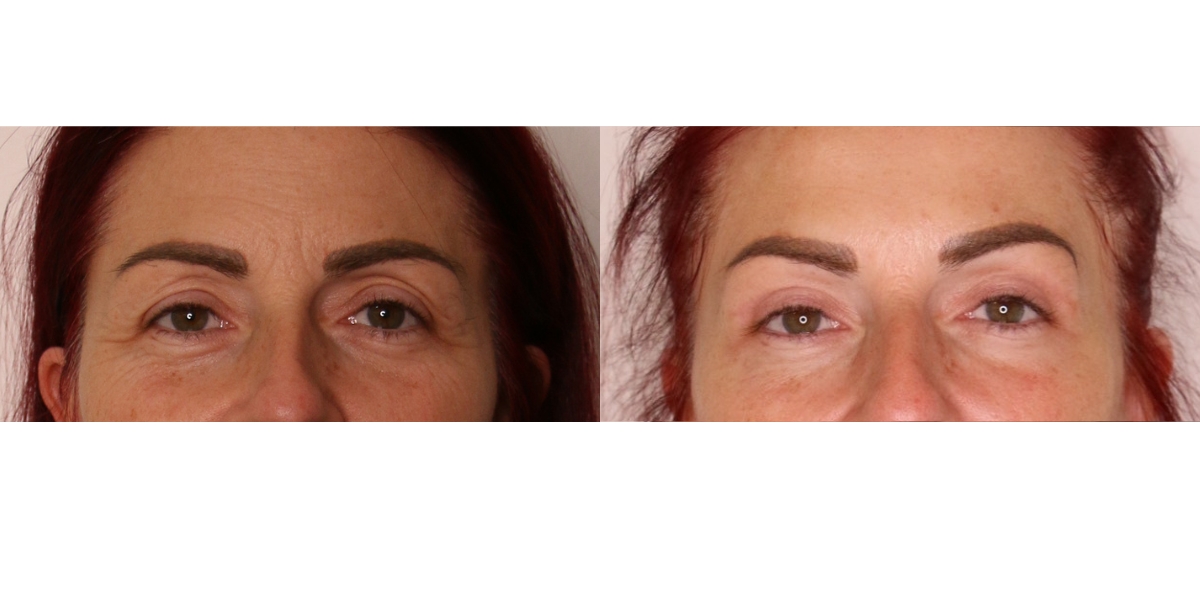
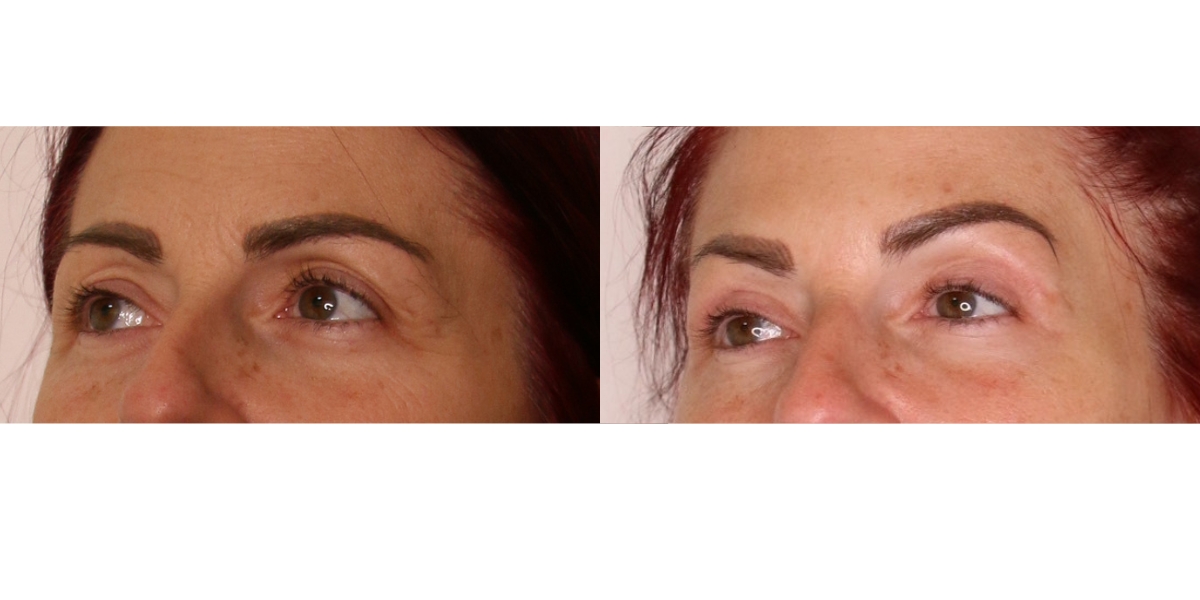
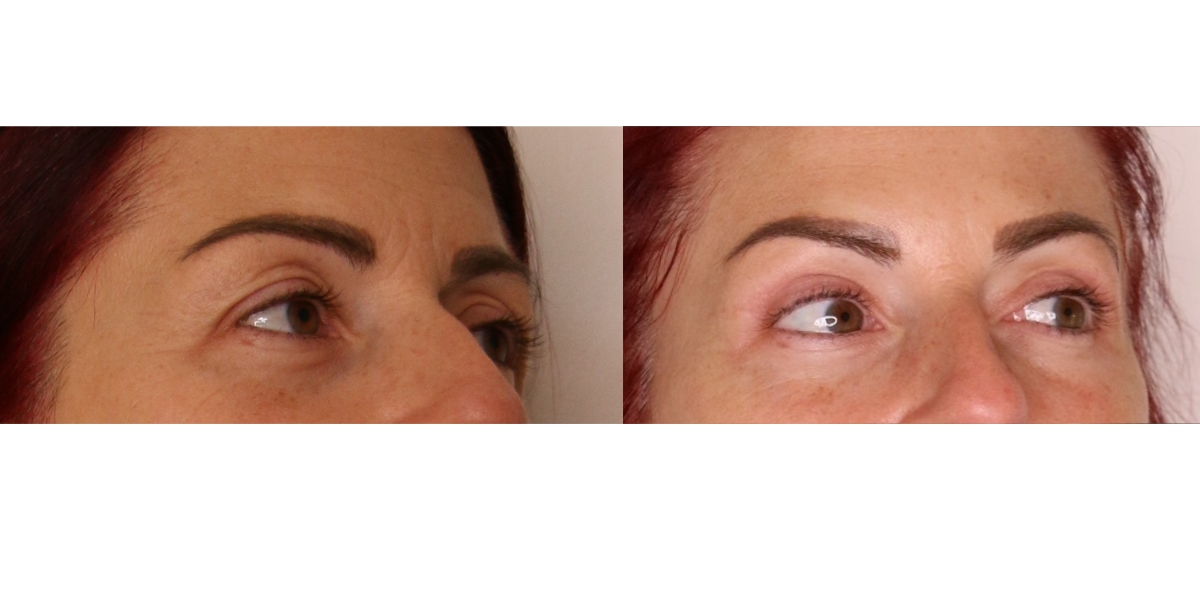
Upper and lower eyelid surgery


Frequently asked questions
Is eyelid surgery painful?
The operation is carried out under local anaesthetic, so you won’t feel pain during the procedure. Afterwards, you may have mild swelling or a feeling of heaviness, which settles quickly and is usually well controlled with simple painkillers.
Are the scars visible after eyelid surgery?
The incisions are hidden in the natural skin creases or on the inside of the eyelid. As they heal, they become hard to see.
When can I get back to my activities after eyelid surgery?
Usually within 5–7 days for traditional eyelid surgery. With CO₂ laser, often sooner.
Is there such a thing as “non-surgical” eyelid surgery?
“Non-surgical” eyelid treatment refers to plasma treatments that shrink the skin without surgery. However, they have limitations where there is a lot of fat or significant laxity. CO₂ laser eyelid surgery is the closest option which is medically-established.
Can anyone have eyelid surgery?
If you are healthy and your examination doesn’t show any reasons not to go ahead, yes. Patients with serious eye conditions, such as glaucoma or severe dry eye, will require a specialist assessment.
Which eyelid surgery method is right for me?
The choice depends on your anatomy, the amount of skin, the fat, the position of the muscles, and the overall appearance of the eyelids. Every patient is assessed carefully. It’s not unusual for someone to think they need eyelid surgery when the right option turns out to be fat transfer, hyaluronic acid fillers, mesotherapy or Botox / anti-wrinkle injections. The right diagnosis is the first step towards a natural, balanced result.
A refresh that doesn’t give you away
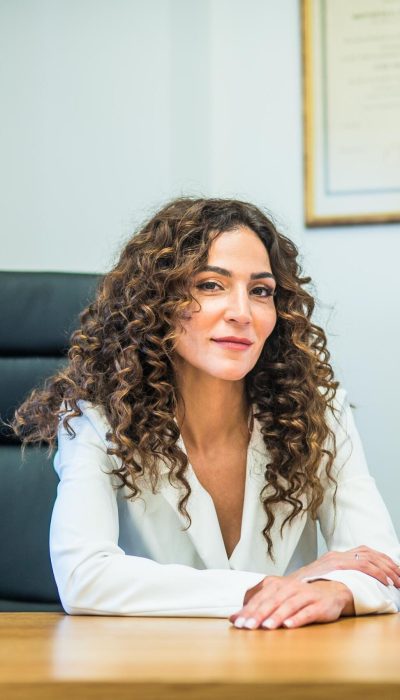
My aim is not to change your eyes, but to ease the signs of tiredness and sagging which have altered your expression.
The ideal result is one that makes people say you look ‘rested’, rather than like you’ve had surgery.