What is gynaecomastia?
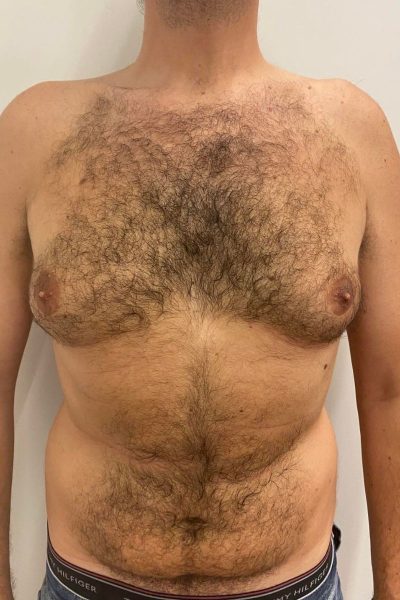
Gynaecomastia is a benign enlargement of the male breast. It is a change in the chest which is not always related to weight or fitness and, in most cases, does not go away with diet or exercise. Gynaecomastia can be caused by:
- growth of breast gland tissue (true gynaecomastia),
- a build-up of fat in the chest area (pseudogynaecomastia),
- or a combination of gland tissue and fat, which is the most common form.
In true gynaecomastia, the breast gland has over-developed and creates a protrusion on the chest, often firmer to the touch. In this case, exercise cannot solve the problem. In pseudogynaecomastia, local fat is the main factor; it can improve with weight loss, though not always completely. In most cases, both mechanisms are present.
It is important to stress that in most cases gynaecomastia is not a sign of serious illness and has nothing to do with not looking after your body. The correct diagnosis – telling apart gland tissue, fat or a combination – is the first and most important step in choosing the right treatment and achieving a natural result.
Is it right for me?
Treatment is for men who:
- Have an enlarged chest that doesn’t improve with exercise.
- Feel self-conscious or insecure about how they look.
- Avoid tight clothing or certain activities.
- Have asymmetry of the chest.
- Have had gynaecomastia since adolescence and which hasn’t gone away.
- Want a more masculine chest contour.
Gynaecomastia treatment: the process
Consultation
A clinical examination to determine whether it is gland tissue, fat or a combination of the two.
Planning
Choosing the technique based on your body, skin and expectations.
Procedure
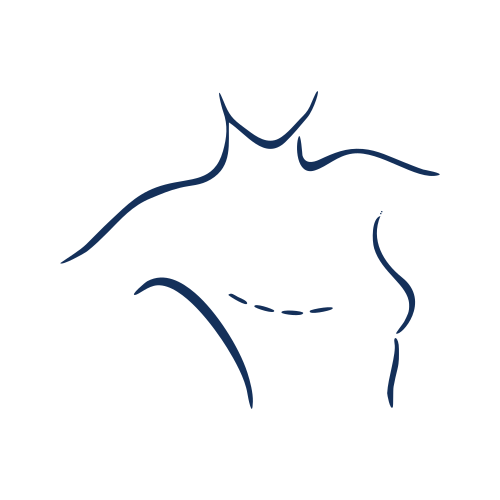
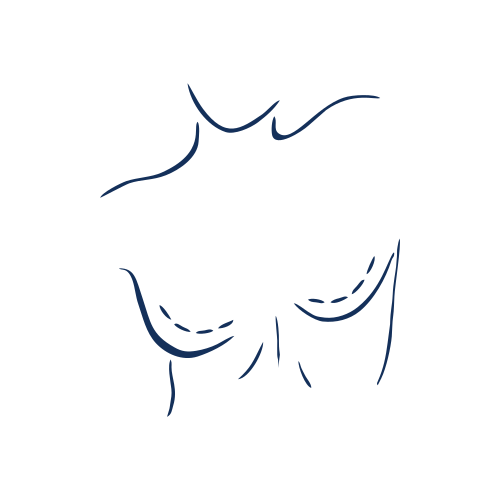
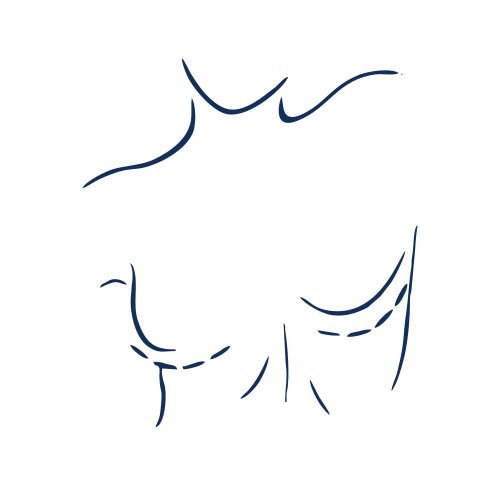
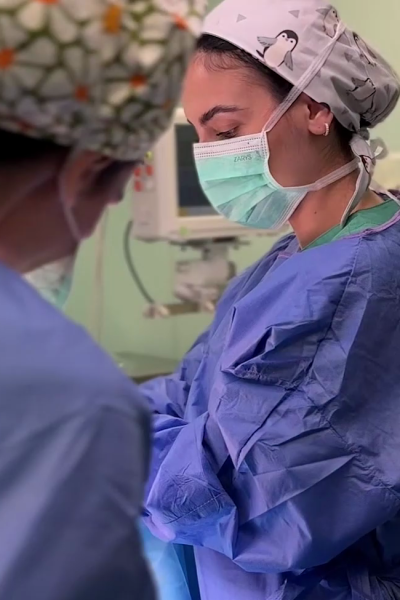
Removal of gland tissue and/or fat through small, discreet incisions.
Recovery
Wearing a compression garment and following instructions for proper healing and a stable result.
What causes gynaecomastia?
Gynaecomastia is usually caused by an imbalance between male and female hormones, mainly testosterone and oestrogen.
One of the most common reasons is the hormonal changes during puberty. At this stage of life, the body goes through major changes and gynaecomastia may appear temporarily. In most cases it goes away on its own, but in some men it persists.
Genetic predisposition also plays a part. Some people are more likely to develop breast tissue in response to small hormonal changes, others less so.
In other cases, gynaecomastia can be linked to medication, such as certain blood pressure medicines, psychiatric medicines or hormone treatments. Likewise, the use of anabolic steroids or certain supplements can upset the hormonal balance and lead to chest enlargement.
Changes in body weight also play a part, especially in pseudogynaecomastia, where fat builds up in the chest area.
Finally, in many cases no clear cause is found. This does not mean there is a health problem. It is very common and relates to how each person’s body responds to normal changes.
How is gynaecomastia treated?
The key question is whether the problem is mainly due to breast gland tissue, localised fat or a combination of the two. This determines the right treatment approach.
Surgical removal of gland tissue
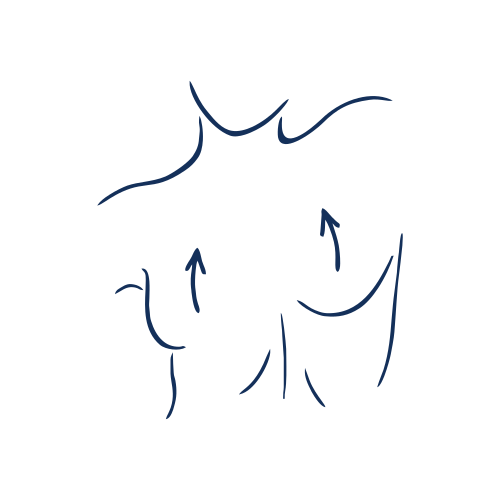
Where there is true growth of breast gland tissue, surgical removal is the only definitive treatment. Gland tissue cannot be “melted away” with exercise or diet and, if it stays, the problem does not go away. It is removed with careful technique to preserve the natural shape of the chest and avoid irregularities or dips.
Liposuction
Where local fat is the main factor, or where it is present alongside gland tissue, liposuction is used either on its own or as an addition. Its aim is to smooth the contour, to remove the fatty volume and to reveal a flatter, more masculine chest.
In most cases, a combination of the two techniques gives the best result, as it addresses both the structure and the shape of the area.
Does gynaecomastia go away for good?
In most cases, the results of surgery are long-lasting. Gland tissue that has been surgically removed does not grow back in the same form. Likewise, fat cells removed by liposuction do not regenerate.
Significant weight changes, the use of anabolic steroids or marked hormonal imbalances can however affect your overall body contours. That is why keeping a stable weight and a healthy lifestyle helps to maintain the result over time.
What should I look out for after surgery?
You will usually need to wear a compression garment for a set period. This helps the skin adapt to the new shape of the chest, reduces swelling and supports proper healing.
Most everyday activities can be resumed within a few days. Strenuous exercise and lifting with the upper body are avoided for a few weeks. Swelling settles gradually, and the final result becomes increasingly visible over time.
More about gynaecomastia
BENEFITS
- A flatter, more masculine chest.
- Improved body contours.
- A discreet, natural-looking result.
- A long-lasting solution.
- Comfort in clothing and activities.
- A boost to self-confidence.
AT A GLANCE
Procedure time
1–2 hours
Anaesthetic
Local or general
How long results last
Long-lasting
Recovery time
2–3 weeks
Hospital stay
None
Extras
Compression garment for 1 month
Cost
From €150
Frequently asked questions
Can gynaecomastia be treated with diet or exercise?
Where there is breast gland tissue, gynaecomastia does not go away with exercise or weight loss. Exercise can improve your overall physique, but it cannot remove the gland. On the other hand, with pseudogynaecomastia, where it is mainly fat, weight loss may help – though not always completely.
At what age can it be treated?
Surgery can be carried out once the condition has stabilised. In adolescence, waiting is often recommended, as gynaecomastia frequently goes away on its own. However, when it persists after puberty or appears in adult life, surgery is usually the recommended treatment.
Is the operation or recovery painful?
You won’t feel pain during the operation, as it is carried out under anaesthetic. Afterwards, discomfort is usually mild and feels like muscle ache or a ‘tight’ feeling. It is usually well controlled with simple painkillers and settles within a few days.
Will my chest look unnatural?
Your chest will not look unnatural provided the operation is planned properly. The aim is a natural, masculine contour, without removing too much tissue or leaving an ’empty’ look. A natural result is central to my philosophy for this kind of procedure.
Will I have scars?
The scars are very small and placed where they are not easily seen. Over time they fade considerably and, in most cases, become hard to notice. Proper aftercare plays an important part in the final cosmetic result.
Do I need to wear a compression garment afterwards?
Yes. Wearing a compression garment for a set period is essential, as it helps reduce swelling, helps the skin adapt properly, and helps the result settle. It is a key part of recovery.
When can I get back to my normal routine?
Most patients return to light activities within a few days. Office work is usually possible soon after, while strenuous exercise and upper-body lifting are to be avoided for a few weeks until healing is complete.
My philosophy

For many men, gynaecomastia is something that affects them every day: getting dressed, at the beach, at the gym.
I approach every case discreetly, aiming for a natural result that lets you stop thinking about your chest and focus on what matters.