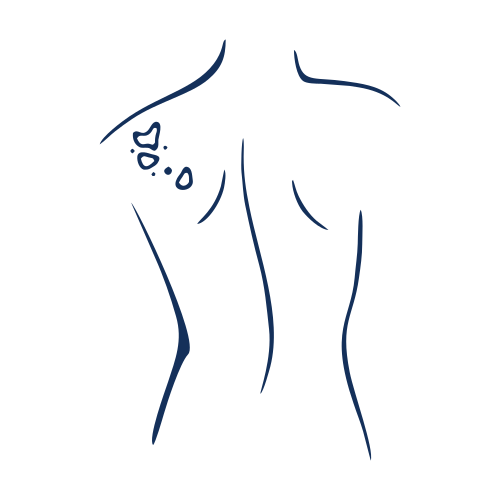
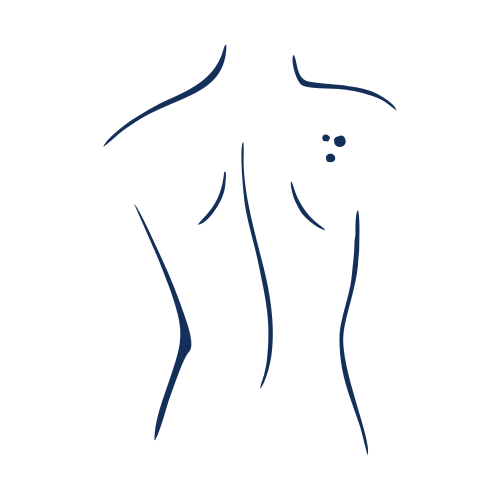
What are scars and keloids?
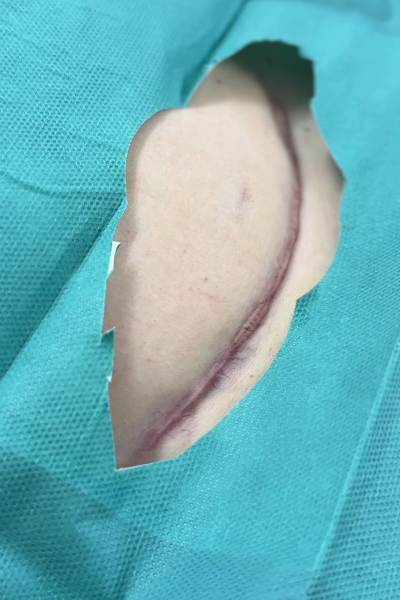
Scars form where the body produces new collagen to replace tissue that has been injured (be it by injury, burns, acne, surgery, piercings and so on). At first scar tissue is usually red and considered ‘active’, then over the months it matures and fades. When collagen production is excessive or disorganised, the scar can become more prominent and troublesome. This is when we are dealing with what are known as ‘hypertrophic scars’ and ‘keloids’.
Hypertrophic scar
It is raised, red/pink and firm, but stays within the boundaries of the original wound. It often improves with time, especially with the right guidance.
Keloid
This is a scar that “escapes” the boundaries of the wound, spreading and possibly even growing over time. It is often accompanied by itching, pain and tenderness. The scar itself is more likely to come back, and it needs careful, often combined, treatment.
Who is it for?
People who are bothered by how a scar or keloid looks and by how it behaves on their body. For example, people who:
- Have raised, firm or very red scars that don’t settle down over time.
- Have keloids that grow, itch or hurt.
- Have scars from surgery, injuries, burns or a caesarean section.
- Have acne scars that affect the texture of their skin.
- Have scars that pull or restrict movement, especially near joints.
- Feel that a scar affects their confidence or everyday life.
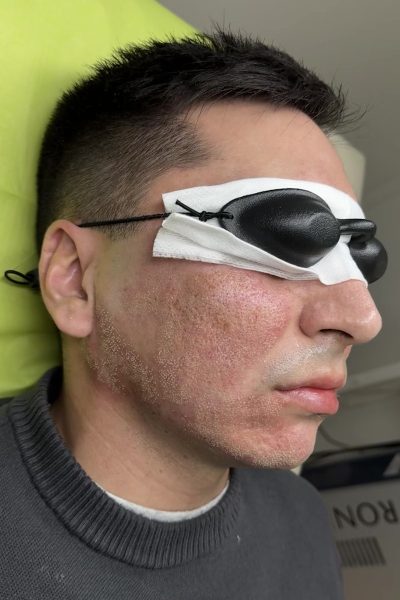
Scar and keloid treatment: the process
Consultation
We examine the scar and your history, establish whether it is a hypertrophic scar or a keloid, and set a goal.
Plan
We choose a treatment (or combination) based on the stage of the scar and how much your skin can tolerate.
Treatment
Carried out in the clinic in a gentle, controlled way, with clear aftercare instructions.
Follow-up
We adjust treatment according to how your body responds, working to help the scar mature.
When should scars or keloids be treated?
The most common reasons are not only cosmetic. Patients come to see me when a scar:
- itches, hurts or gets irritated.
- is raised/firm and ‘pulls’ easily.
- is very noticeable (red/dark) and doesn’t ‘settle down’.
- makes movement difficult (e.g. near a joint).
- affects their confidence (especially on the face, chest or ear).
Ideally, treatment starts while the scar or keloid is still actively maturing, because that is when it responds best to medical intervention.
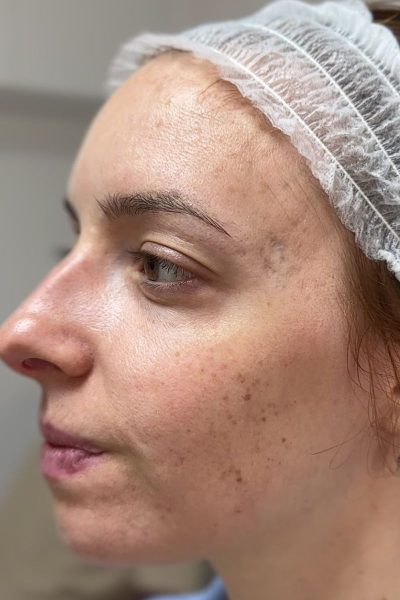
Why do keloids form?
Keloids are linked to each person’s individual way of healing. Some factors make them more likely:
- a family history of keloids.
- scars in areas under ‘tension’ (chest/breastbone, shoulders, back, earlobes).
- piercings, acne, burns.
- marked inflammation or poor wound healing.
The important thing is to understand whether there is a tendency to form keloids, so that we can select the treatment with the lowest chance of recurrence.
Ways to treat keloids
There is no one-size-fits-all solution. The right treatment is individual and often combined.
Conservative care (especially for “new” scars)
- Silicone (gel or sheets): helps the scar ‘settle down’ and become flatter.
- Good sun protection: reduces the risk of discolouration.
- Scar massage (when appropriate): improves texture and elasticity.
Injectable treatments
- Corticosteroid injections (especially for keloids/hypertrophic scars): reduce bulk, firmness and discomfort. They are given in stages and adjusted to your response.
Laser & energy-based treatments (depending on the problem)
- Treatments that target redness, texture and thickness, improving the look and behaviour of the scar more gently.
Surgical treatment (in selected cases)
For large or stubborn scars or keloids, removal may be suggested. But with keloids in particular, surgical removal on its own is often not enough. A plan to prevent recurrence is usually needed (e.g. injections, laser, pressure), because the aim is not simply to ‘cut out’ the scar, but to guide the new skin into healing properly.
BENEFITS
- Reduced height/bulk and firmness.
- Less redness and discolouration.
- Relief from itching, pain and tenderness.
- Improved texture and elasticity.
- A more discreet look on bare skin.
- More comfort when moving or in clothes (where it 'pulls').
AT A GLANCE
Session time
15–45 minutes (depending on the treatment)
Anaesthetic
Local
How long results last
Gradual improvement as the scar matures
Number of sessions
Tailored to you (usually more than one)
Treatment areas
Face, body, earlobes; surgical, acne and injury scars
Extras
Compression garment for 1 month
Cost
From €150
Frequently asked questions
How can I tell whether it’s a keloid or a hypertrophic scar?
A hypertrophic scar stays within the boundaries of the wound, while a keloid can extend beyond them and spread. A clinical examination is important because it also determines the right treatment.
Do keloids go away?
They can improve considerably on their own, but they do tend to come back. That is why a good plan aims not only to ‘flatten’ the scar, but also to guide the healing so that it stays calm.
Is surgical removal the best option?
Not always. With keloids in particular, removal without supporting treatment can lead to recurrence. Surgical removal is chosen only when it is genuinely needed and where it can be combined with preventive measures.
How many sessions are needed?
It depends on the type, size, location and stage of the scar. Some scars respond quickly, while keloids often need a gradual, repeated approach.
Is the treatment painful?
Most treatments are well tolerated. Where needed, a numbing cream or local anaesthetic is used. The aim is for you to get a result with as little discomfort as possible.
Can the scar get worse?
Rarely, but it can happen if the wrong treatment is chosen or if a tendency to keloids is not taken into account. That is why the right diagnosis and follow-up are essential.
When is the best time to start treatment?
The earlier, the better – especially while the scar is still “active” (red, firm, raised). But older scars can improve too; they often just need more patience.
What can I do at home to help?
Things that usually help: good sun protection, silicone (where appropriate) and the personal aftercare advice I will give you. Sticking to the aftercare is an important part of the result.
What about acne scars?
Acne scars are not all the same (depressed scars, ‘rolling’, ‘ice pick’, enlarged pores). The precise ttreatment is chosen according to the type of scar and your skin tone/sensitivity, often using a combination of techniques.
My approach

Many people live with scars that bother them cosmetically and physically. My aim is for your scar to stop bothering you, pulling or weighing on you.
I plan every treatment without unnecessary procedures, with respect both for your skin and for the time it needs to heal and improve.